
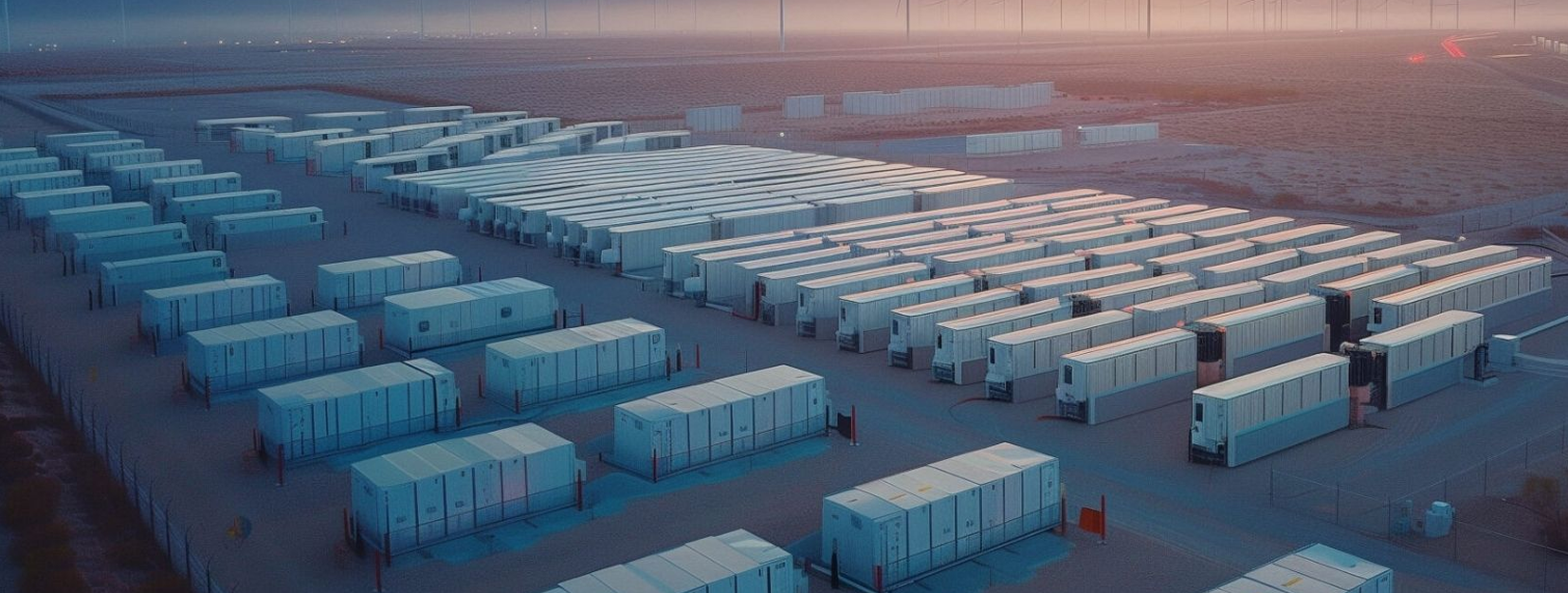
India is rapidly moving toward a clean energy future powered by solar and wind energy. But renewable energy comes with one major challenge — electricity generation is not always available when demand is highest. This is where Battery Energy Storage Systems (BESS) become essential.
If you are searching for what is BESS India, this guide explains everything in simple terms — from BESS meaning and how BESS works to its benefits, applications, and future in India.
BESS meaning stands for Battery Energy Storage System. It is a technology that stores electrical energy in batteries and releases it whenever needed.
In simple words, a BESS acts like a large rechargeable power bank for homes, industries, renewable energy plants, and utility-scale power grids.
A battery energy storage system India solution helps store extra electricity generated from solar panels or wind turbines during low-demand periods and supplies it back during peak demand or power outages.
As India increases renewable energy adoption, BESS is becoming a critical technology for grid stability and energy reliability.
India has set ambitious renewable energy goals, including achieving 500 GW of non-fossil fuel energy capacity by 2030. However, renewable energy sources such as solar and wind are intermittent by nature.
For example:This mismatch between energy generation and consumption creates challenges for the power grid.
India is already witnessing major investments in BESS infrastructure across states such as Gujarat and Andhra Pradesh.
These are the core storage units that hold electrical energy. Lithium-ion batteries are the most widely used due to high efficiency and longer lifecycle.
The BMS monitors battery safety, performance, and charging/discharging operations.
This converts electricity between AC and DC formats for charging and discharging.
The EMS controls energy flow, optimization, and overall system intelligence.
These maintain temperature control and ensure safe operations.
Widely preferred in India because:
Suitable for large-scale storage applications with long-duration energy requirements. Sodium-Ion Batteries An emerging technology gaining attention for cost-effective large-scale deployment.
Improved Grid Stability BESS responds instantly to fluctuations in electricity demand and supply.
ImprovedBetter Renewable Energy Utilization Stored solar and wind energy can be used anytime, even when generation stops.
Lower Energy Costs Businesses can avoid expensive peak-hour electricity charges.
Reduced Carbon Emissions BESS supports clean energy adoption and reduces reliance on fossil fuels.
Energy Independence Users gain greater control over their power consumption and backup capabilities.
Reliable Power Supply BESS minimizes outages and improves energy resilience.
High Initial Investment Large-scale battery systems require significant upfront capital.
Battery Recycling and Disposal Sustainable recycling infrastructure is still developing in India.
Supply Chain Dependence India currently imports many battery materials and components.
Policy and Regulatory Framework The sector needs stronger long-term policies and standardization.
Despite these challenges, falling battery prices and government initiatives are accelerating BESS adoption across the country.
Major projects across India demonstrate the growing importance of storage technology in achieving clean energy goals. As battery costs continue to decline and technology improves, BESS is expected to become a core part of India’s energy infrastructure.
Enectron’s energy storage systems are designed to support India’s transition toward sustainable and round-the-clock renewable energy infrastructure.
From homes and industries to utility-scale renewable projects, Battery Energy Storage Systems are shaping the future of energy in India. Businesses and energy developers that invest in BESS today are preparing for a smarter, cleaner, and more reliable energy future.

